Why I Spend More Time Evaluating the Building Than the Neighborhood
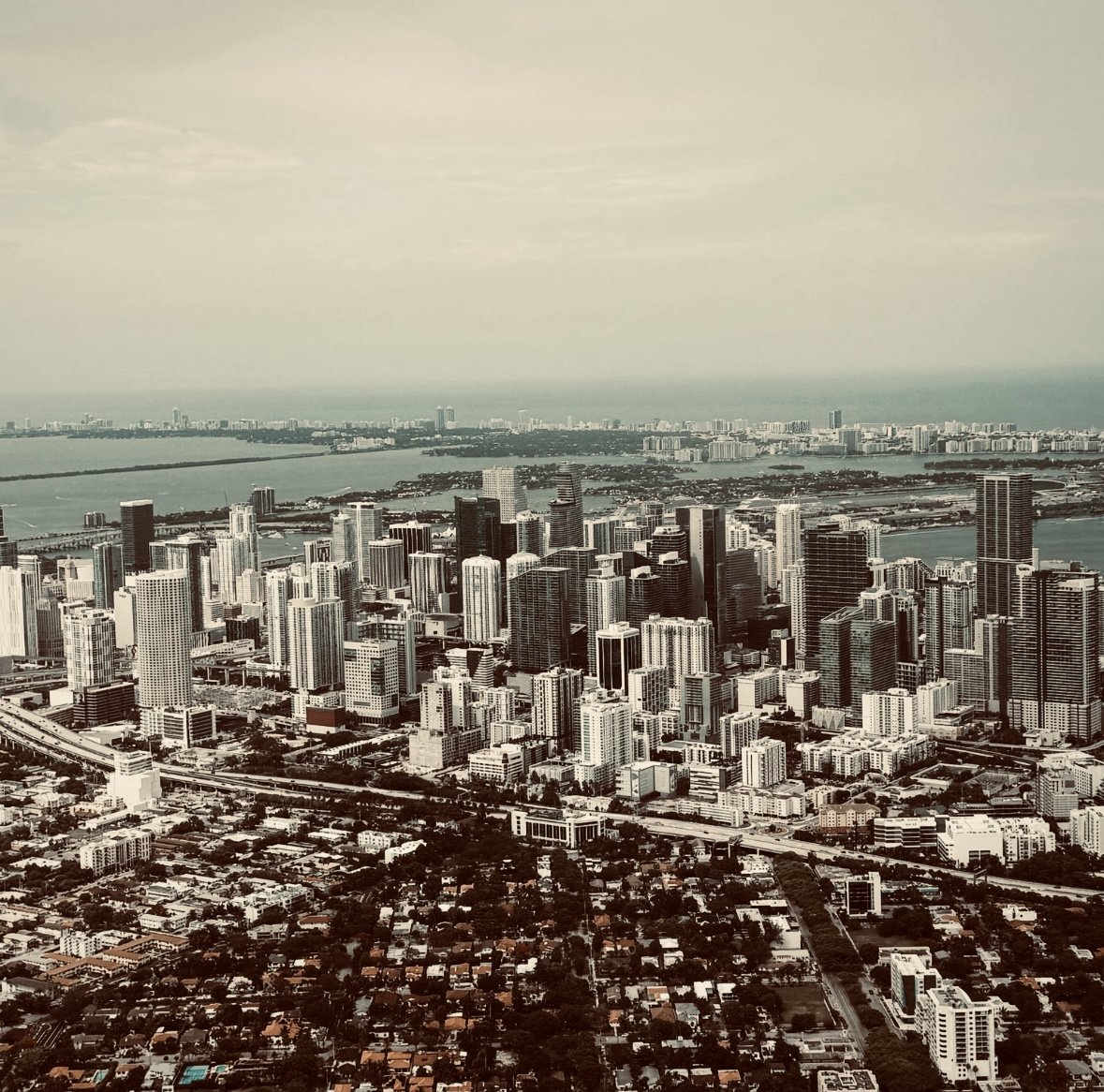
Neighborhoods create opportunity, but individual buildings determine how much of that opportunity becomes value.
One of the questions I'm asked most often is which Miami neighborhood I like best.
It's a fair question, but over time I've realized that experience changes the questions you ask. Early in my career, I spent most of my time trying to understand neighborhoods. Today, I find myself paying even closer attention to the buildings themselves.
Part of that comes from working in real estate. Part of it comes from my background in hospitality and a genuine appreciation for architecture, design, and construction. I've always found myself paying attention to buildings, often as much as the destination itself. Whether I'm staying at a hotel, walking through a new development, or visiting a property for the first time, I notice how spaces are designed, how materials age, how natural light changes a room, and whether a building still feels relevant years after it was completed.
Over time, I realized I'm asking the same questions wherever I am. Why does one building still feel timeless while another already feels dated? Why do some properties continue attracting buyers decade after decade while others slowly lose relevance, even when they're located just a few blocks away? The answer is almost never a single feature. More often, it's the result of hundreds of thoughtful decisions that continue shaping a building long after construction is complete.
That way of looking at buildings has changed the way I think about real estate investing.
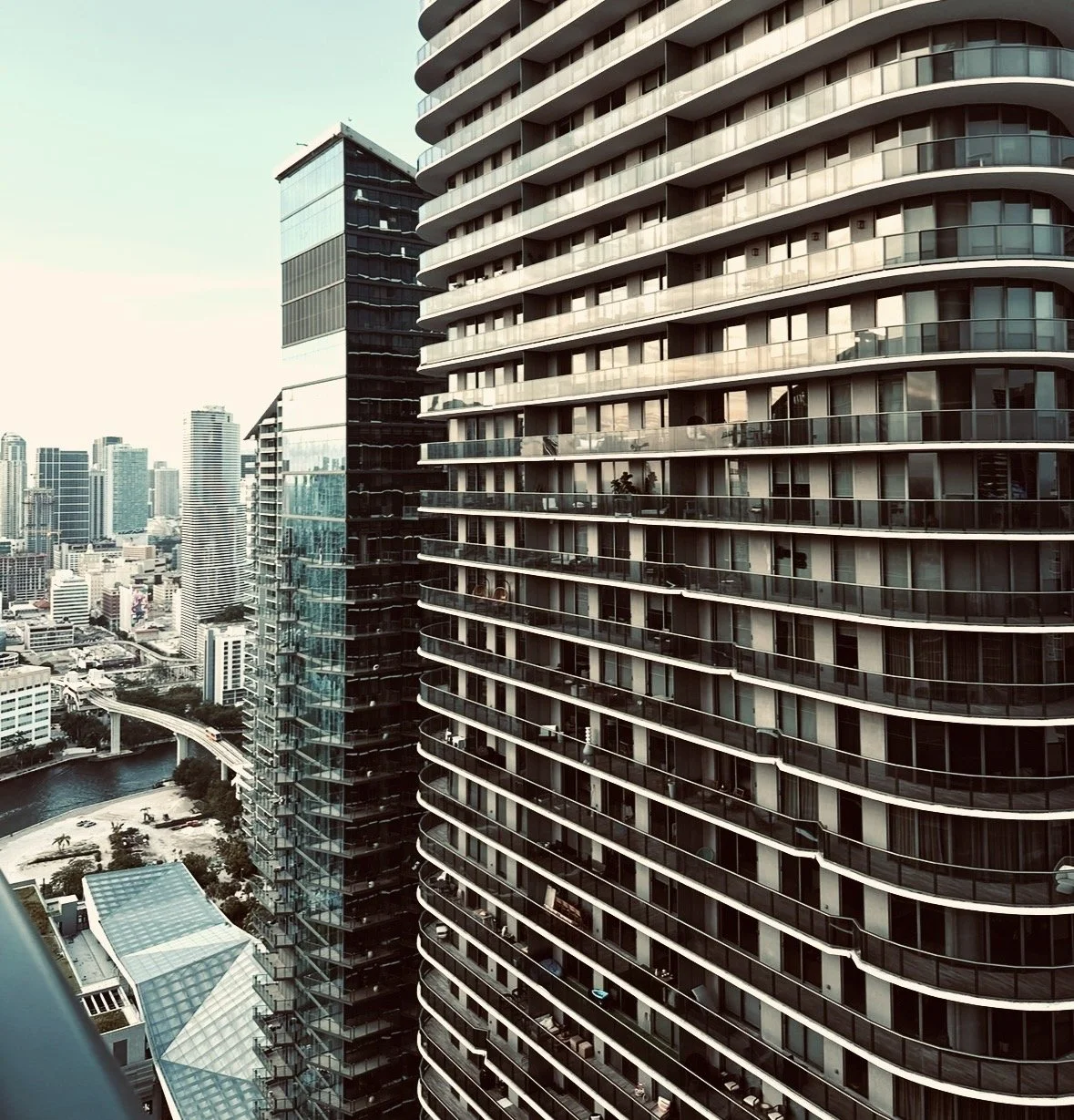
Construction quality is one of the factors that can influence a building's long-term performance.
One thing I've learned is that appreciation isn't distributed evenly. Markets rise, neighborhoods evolve, but buildings don't all move together. Some continue attracting buyers long after they're built, while others spend years benefiting from the neighborhood before slowly beginning to compete on price rather than quality.
The difference is rarely explained by a single factor. More often, it's the result of decisions that compound over time. Construction quality, thoughtful design, consistent maintenance, a well-run association, and responsible financial planning rarely become part of the marketing story, yet they have an enormous influence on how a building ages and how the market ultimately values it.
I've walked through buildings that looked almost identical on paper yet felt completely different the moment I stepped inside. Not because one had a more impressive lobby or newer finishes, but because one had clearly been cared for over many years while the other had simply been maintained. Buyers may not always be able to explain that difference, but they almost always recognize it.
Investors often speak about appreciation as though it belongs equally to every property within the same neighborhood. I don't think that's how markets work. Neighborhoods create opportunity. Buildings capture that opportunity in very different ways.
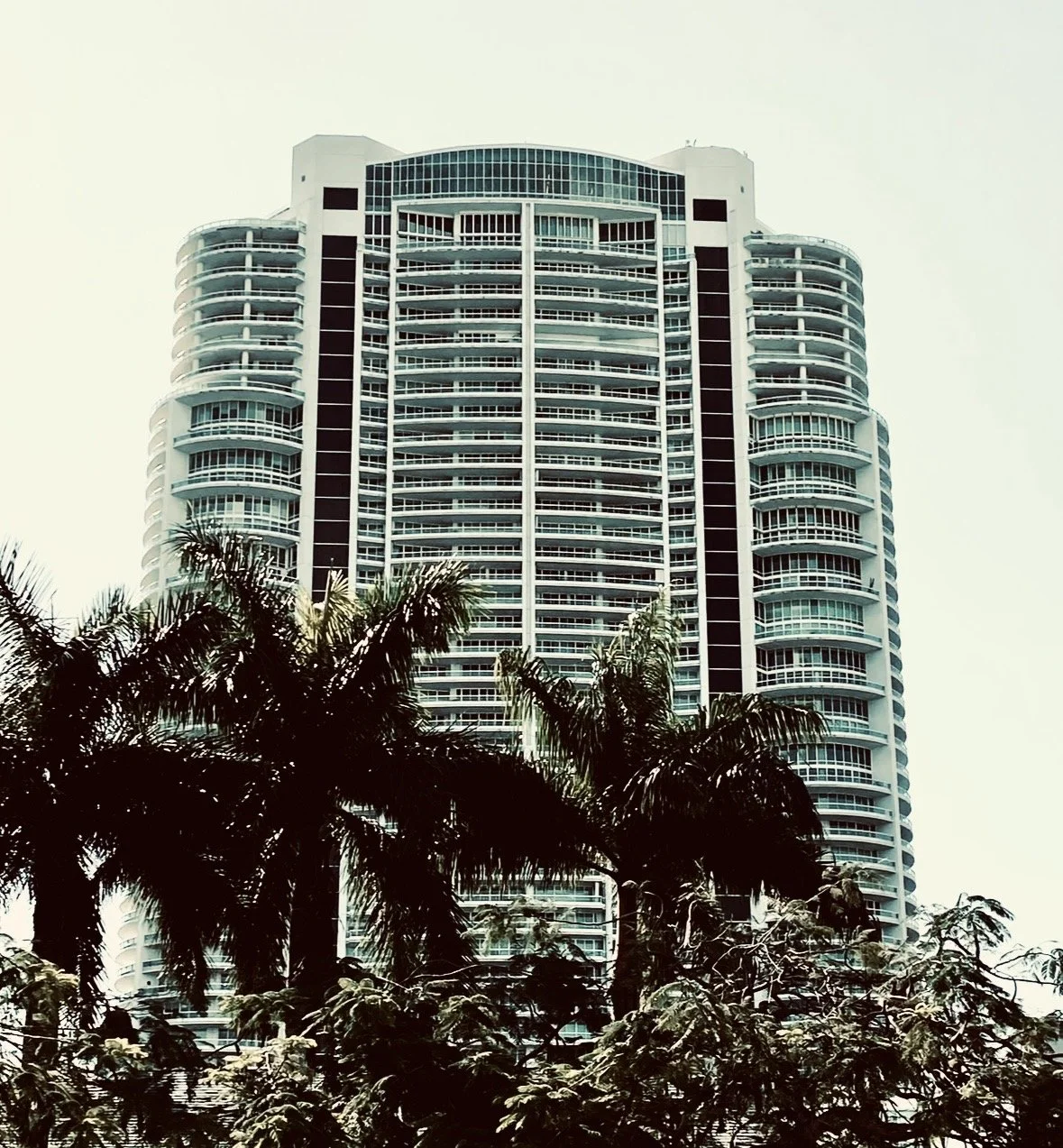
Well-designed buildings often remain desirable decades after construction.
Much of the conversation surrounding Miami real estate focuses on migration, tax advantages, and luxury development. Those trends matter, but they are only part of the story. What receives far less attention is how differently individual buildings respond to those same forces.
Looking back, many of Miami's best-performing buildings weren't necessarily the newest or the most expensive when they were purchased. They simply remained competitive while other buildings gradually became less desirable. Some benefited from exceptional management. Others from timeless design. Others from occupying sites that became increasingly difficult to replicate. Whatever the reason, they continued attracting buyers while competing properties slowly lost relevance.
I think that's becoming even more important as Miami matures.
When a city is growing quickly, almost every well-located property benefits. As markets mature, however, buyers become more selective. They begin comparing one building against another instead of simply deciding whether they want to be in the neighborhood. That's when the quality of the asset begins to matter even more.
The question I find myself asking is no longer whether I like the neighborhood. It's whether I believe this particular building will still be one of the buildings people want to own ten or fifteen years from now.
No spreadsheet can answer that with certainty. It requires understanding construction quality, maintenance, the association, replacement cost, scarcity, and perhaps most importantly, how people assign value over time.
Location will always remain one of the foundations of real estate investing. I simply don't believe it's the whole story.
Some of the best investments I've seen weren't the result of finding the right neighborhood. They were the result of finding the right building before everyone else understood what made it different.
Featured Publications
Miami New Construction Market: Opportunities and Trends for 2026
Published by Lata Miami
This article explores the current state of Miami's new construction market, including pre-construction trends, branded residences, and key considerations for buyers and investors evaluating opportunities across South Florida.