Buying an Existing Condominium Means Inheriting Years of Decisions You Didn't Make
8 min read
Some places seem to improve with time. Others slowly lose whatever made them special in the first place. I've always been interested in understanding that difference. Whether it's a hotel, a restaurant, a neighborhood, or an existing condominium, the places people continue choosing usually have one thing in common: they've been consistently well cared for.
That doesn't make the apartment any less important. Quite the opposite. The floor plan, ceiling height, natural light, orientation, views, privacy, and how the spaces actually function day to day all have a tremendous influence on how a home feels to live in. Those details deserve careful attention because they're the part of the property you'll experience every day.
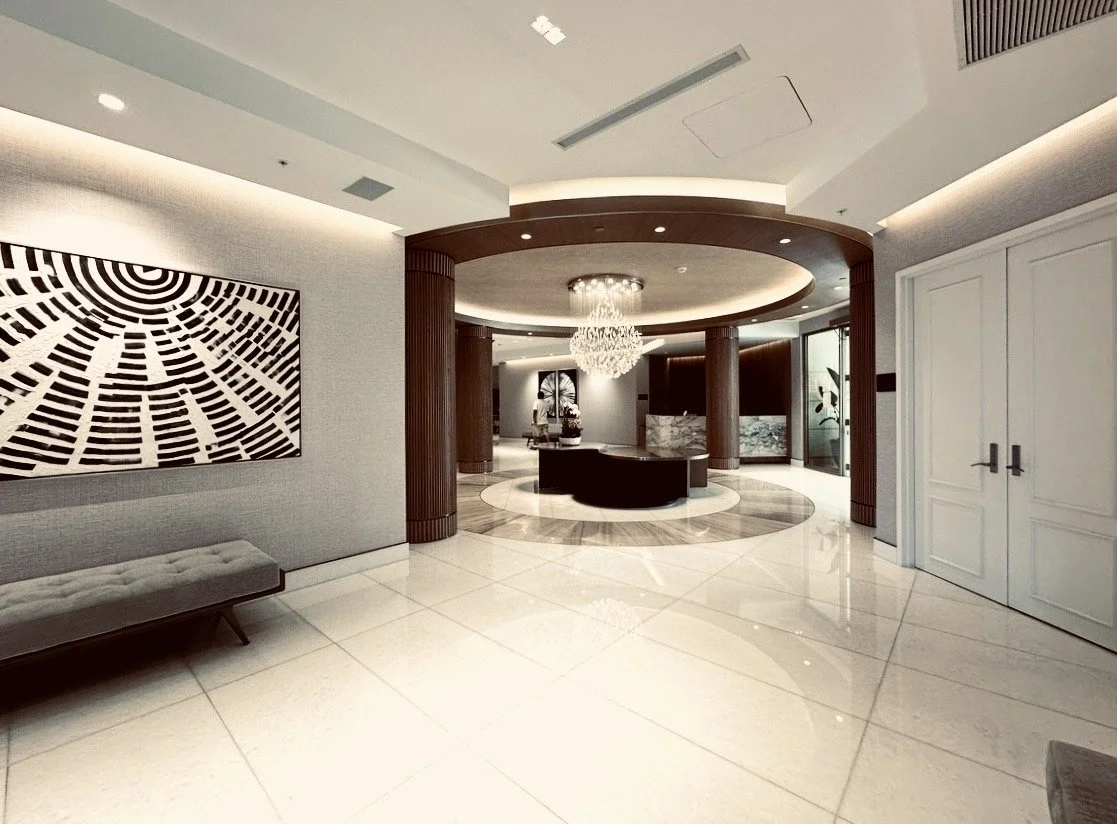
Reliability is one of the quietest forms of luxury.
That's probably why I spend just as much time trying to understand the building as I do evaluating the apartment. You can walk through an apartment in half an hour and have a pretty good sense of its layout, the quality of the light, how the rooms connect, and whether you can picture yourself living there. Understanding the building usually takes much longer.
The best hotels don't feel exceptional because they have the biggest lobby or the most expensive furniture. They feel exceptional because everything simply works. The valet remembers your name. The concierge already knows who you are. Problems are solved before they become your problem. You rarely notice the maintenance, the staffing, or the logistics because someone else has already thought about them.
Over the years I've realized that the buildings people enjoy living in the most usually share those same qualities. They aren't always the newest buildings or the ones with the longest list of amenities. They simply feel well cared for. Everything works the way it should, and that consistency quietly becomes part of everyday life even if most residents never stop to think about it.
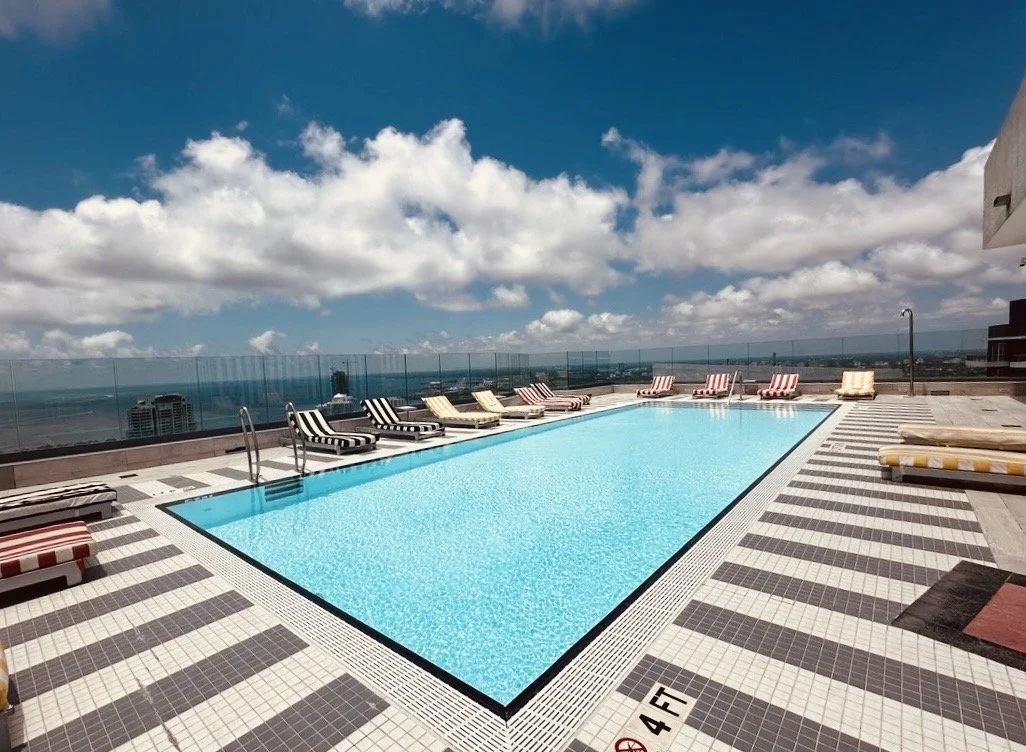
Amenities are built once. Standards are maintained every day.
That's probably why I pay attention to different things than most buyers do during a showing. The apartment matters, of course, but I'm also watching how the building operates. I notice whether the valet greets residents by name, whether the concierge seems genuinely engaged, whether the staff has been there for years or only a few months, and whether the common areas feel calm, organized, and cared for. Those details are easy to overlook, but they're remarkably difficult to fake. A beautifully renovated lobby tells me someone recently spent money. It tells me very little about how the building has actually been managed.
Buying an existing condominium means inheriting years of decisions made by people you'll probably never know. Some were made by the developer. Others by board members, property managers, engineers, maintenance teams, and owners who understood that buildings don't stay exceptional on their own. Every budget, every repair, every project that moved forward, and every project that didn't... slowly shapes the experience of the people who eventually live there.
When I review a budget, I'm almost never looking for a single number. I'm looking for priorities. From there I'll read the board minutes, reserve studies, engineering reports, insurance history, and recent capital improvements because none of those documents tells the whole story on its own. Read together, they begin to reveal how the building has been managed over time, which problems were addressed early, which ones were postponed, and whether the people responsible have been thinking beyond the next budget cycle.
One of the conversations I have most often today is about HOA fees. Understandably, many buyers compare a condominium's monthly assessment with the cost of owning a single-family home and wonder whether the fees are still worth paying. I think that comparison overlooks what a well-managed building is actually providing. You're not simply paying for a gym, a pool, or landscaping. You're paying for an operating system that allows hundreds of people to own a shared asset without each of them having to solve the same problems individually. You're paying for a system that keeps the building functioning long after the developer has left. Security, maintenance, engineering, insurance, reserve planning, and countless day-to-day decisions all become part of that system.
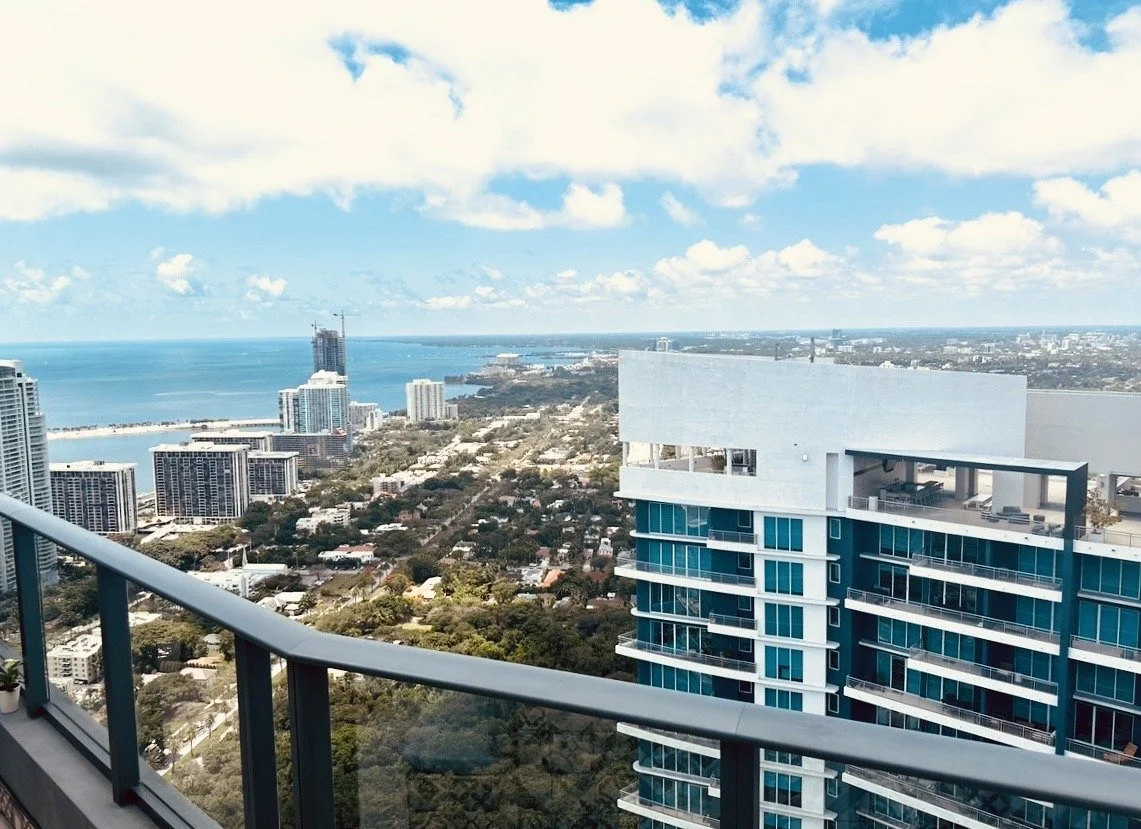
The architect designs the building. Everyone who follows helps decide what it eventually becomes.
For many owners, especially those who travel frequently or divide their time between different cities, that has real value. You lock the front door, get on a plane, and know the building will continue functioning exactly as it should. Packages are received. Maintenance continues. Security doesn't stop. If something unexpected happens, there's already a team in place to deal with it. When a building is well managed, most residents never think about any of those things because they simply become part of everyday life.
I've come to believe that's what people are really buying, even if they don't describe it that way. They want a place that feels dependable. A place where small problems don't become large ones, where difficult decisions aren't endlessly postponed, and where ownership becomes easier because the people responsible for the building have been thinking long before the next issue appears.
Years from now, most owners won't remember exactly how the apartment looked the first time they walked through the front door. They'll remember whether the building felt cared for, whether problems were handled before they became frustrations, and whether ownership turned out to be as effortless as they hoped it would be. That's why, before I decide whether I like an apartment, I want to understand the building behind it. Because buying an existing condominium isn't simply buying a home. It's inheriting years of decisions that will continue shaping your experience long after you've moved in.