Every Floor Changes the Skyline
Construction Update | Cipriani Residences Brickell
Cipriani Residences has looked different almost every week for the past several months. For a while, the changes are almost imperceptible. Another level. Another week. Another section of the tower. Then, almost overnight, you realize it isn't another construction site anymore. It has become part of the skyline.
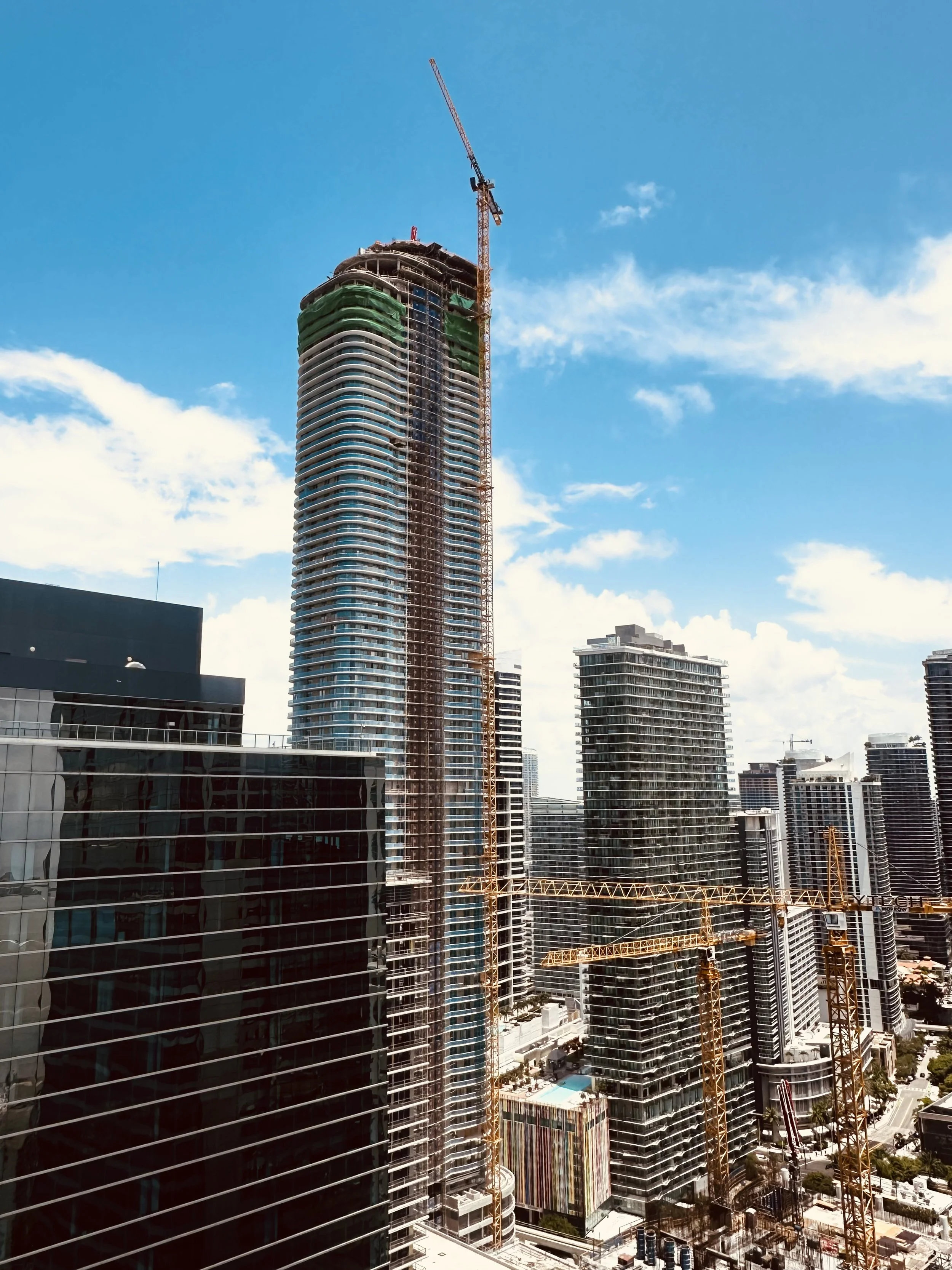
The building has reached the stage where you can judge it for yourself.
When a project is first introduced, almost every conversation revolves around possibility. Buyers compare floor plans, discuss views, imagine the experience of living there, and study every rendering in remarkable detail. At that stage, the building exists almost entirely as an architectural idea.
The renderings don't become less important. They simply stop being the only thing worth paying attention to.
As the tower rises, the conversation begins to shift. Good architecture is visible on day one. Good execution takes much longer to reveal itself. One floor becomes another. The structure begins to reveal its proportions. The relationship between the tower and the city becomes easier to understand. The project slowly replaces imagination with observation.
Every completed floor replaces a little more uncertainty with evidence.
Construction rarely follows a perfectly straight line. Financing, permitting, inspections, procurement, labor, engineering, weather, material costs, market conditions, and even politics continue influencing a project long after contracts are signed. Timelines shift. Schedules adjust. Complexity isn't unusual in construction. It's the job.
What matters is how a project moves through those variables.
One of the least visible parts of any pre-construction project is the capital behind it. Buyers naturally focus on architecture and design. Developers, lenders, and investors spend just as much time thinking about financing, liquidity, construction budgets, interest rates, and the discipline required to keep a project moving from one milestone to the next.
Architecture introduces the building. Coordination brings it into the city.
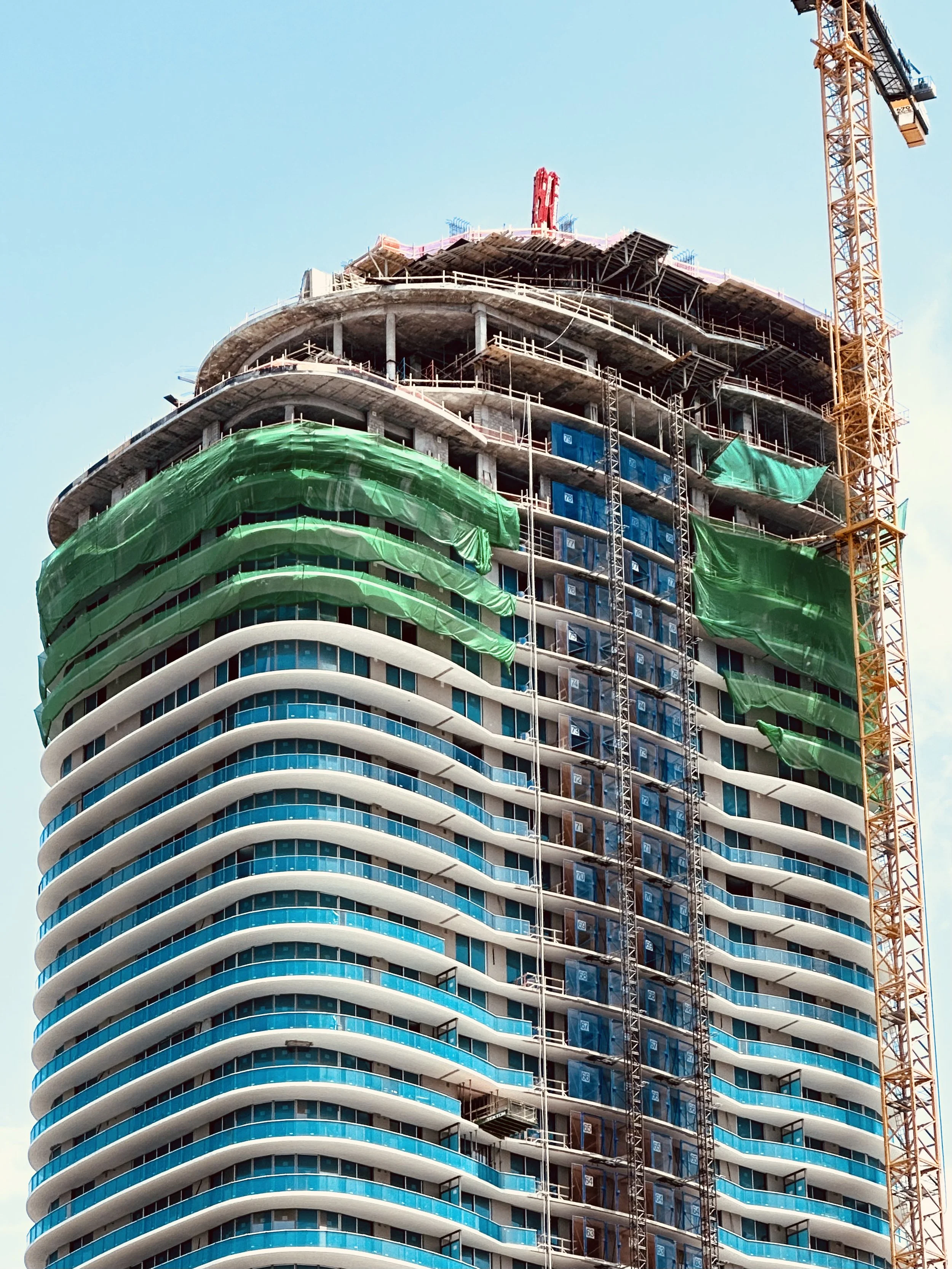
Every visible milestone is supported by hundreds of invisible ones.
That coordination is rarely visible from the street. Behind every new floor is an extraordinary amount of work that most people never see. Developer equity, construction financing, lender oversight, engineering, procurement, consultants, inspections, contractors, subcontractors, and hundreds of individual decisions all have to continue moving in the same direction.
A new floor isn't evidence that concrete was poured. It's evidence that everything else kept moving.
Cipriani has been a good reminder of that. Watching the tower rise over the past several months, what has stood out isn't speed. Speed is rarely the right way to evaluate a project. Construction has its own rhythm, shaped by variables that no developer fully controls. What has stood out instead is consistency. Week after week, the tower has continued to rise, gradually shifting from an architectural rendering into a physical presence that now feels firmly rooted in Brickell.
That isn't a prediction about the finished building. It's simply an observation. Consistency is one of the few things construction allows us to evaluate in real time, and over time it becomes part of how confidence is built. Anyone who spends enough time in Brickell knows the skyline almost by memory. That's why even small changes become noticeable. One more floor is rarely just another floor. It's another indication that a project is continuing to move forward.
At some point, you stop asking what the building will become.
You start paying attention to what it's becoming.
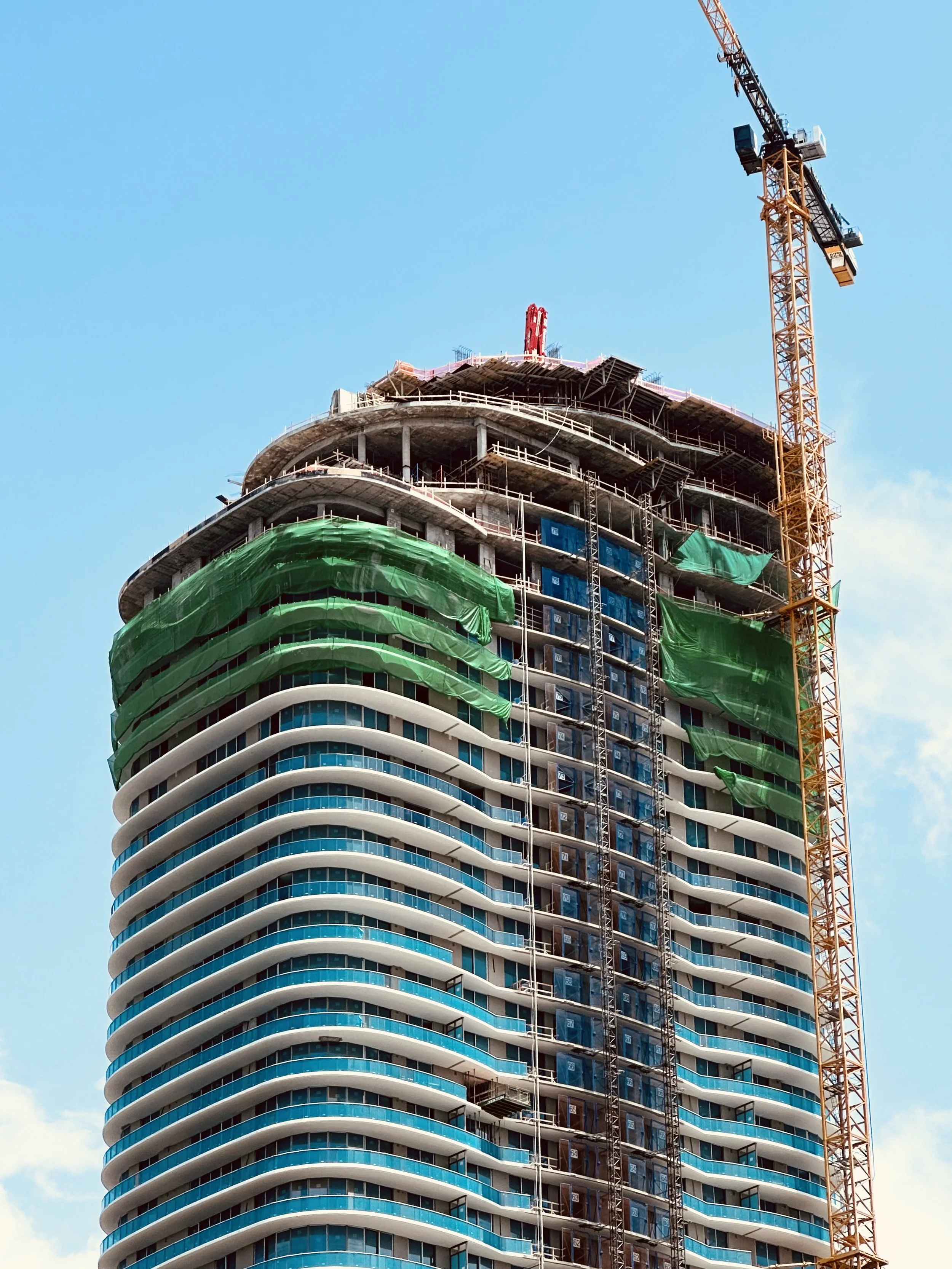
Buildings don't suddenly become part of the skyline. They grow into it.
Continue Reading
Cipriani Residences
Architecture, residences, amenities, location, and everything worth knowing about Cipriani Residences.